
- 13/02/2026
- Clairevision Eye Hospital
- 0 Comments
- Blogs
4 Stages of Diabetic Retinopathy You Should Know
Diabetes is very common in India, often called the “sugar disease.” If you or your parents have been a “sugar patient” for a long time, you might worry about how it affects the body. One of the most serious complications is diabetic ocular disease, specifically known as Diabetic Retinopathy.
Many patients visit Clairevision Eye Hospital in Pune complaining of “blurry eyes and diabetes” or seeing black spots. Often, they don’t realize that high blood sugar has silently started damaging the back of their eye. Understanding the 4 Stages of Diabetic Retinopathy is crucial because early detection can save your sight.
In this blog, Dr. Archana Singh, a renowned Retina Surgeon in Wakad & PCMC, explains the diabetes retinopathy grading, symptoms, and the best Diabetic Retinopathy Treatment in Pune.
What Is Diabetic Retinopathy?
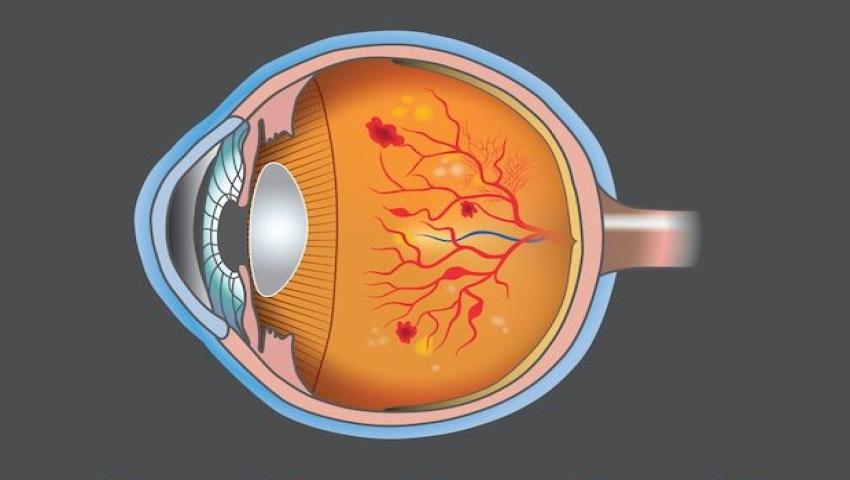
Before we look at the stages, let’s define what is diabetic retinopathy. Simply put, it is an eye condition caused by high blood sugar levels damaging the blood vessels in the retina (the light-sensitive layer at the back of the eye).
How diabetic retinopathy occurs? -> When sugar levels remain high, the tiny blood vessels in the eye with diabetic retinopathy get blocked or leak fluid and blood. To fix this, the eye tries to grow new vessels, but these are weak and leak easily. This leads to vision loss.
In medical terms, the classification of diabetic retinopathy ETDRS (Early Treatment Diabetic Retinopathy Study) divides the disease into two main types:
- NPDR (Non-Proliferative Diabetic Retinopathy): The early stage.
- PDR (Proliferative Diabetic Retinopathy): The advanced stage.
Let’s break this down into the 4 Stages of Diabetic Retinopathy that every diabetic patient must know.
1. Mild Non-Proliferative Diabetic Retinopathy (Mild NPDR):
The first of the 4 Stages of Diabetic Retinopathy is called Mild NPDR.
- What happens? -> At this stage, the tiny blood vessels in the retina develop small balloon-like swellings. These are called microaneurysms.
- Symptoms: Usually, there are no symptoms. You will not feel pain or vision loss.
- Diagnosis: It is often found accidentally during a routine diabetes eye check or fundus clinic visit.
- Dr. Archana Singh’s Advice: If you have mild NPDR, you don’t typically need laser eye surgery yet. The best treatment is controlling your blood sugar (BSL), blood pressure, and cholesterol. Regular monitoring at Clairevision Eye Hospital is essential to stop it from progressing.
2. Moderate Non-Proliferative Diabetic Retinopathy (Moderate NPDR):
As the disease progresses, it moves to Moderate NPDR.
- What happens? -> Some blood vessels that nourish the retina become blocked. The npdr eye starts suffering from a lack of blood supply.
- Signs: During an eye exam, a specialist might see “cotton wool spots” or small hemorrhages (bleeding) in the retina. This is a key part of diabetes retinopathy grading.
- Risk: This stage warns us that the disease is getting serious. It can lead to Diabetic Macular Edema (DME), where fluid builds up in the macula (the part of the eye responsible for sharp vision), causing blurring of vision in diabetes.
Note on Abbreviations:
- NPDR full form in ophthalmology: Non-Proliferative Diabetic Retinopathy.
- DME medical abbreviation: Diabetic Macular Edema.
3. Severe Non-Proliferative Diabetic Retinopathy (Severe NPDR):
The third stage is Severe NPDR. This is the last stage before the condition becomes “proliferative” (growing new bad vessels).
- What happens? -> Many more blood vessels are blocked. The retina is now “starving” for blood. It sends out chemical signals to the body to grow new blood vessels.
- Symptoms: You might start noticing blurring of vision on left eye or right eye, or dark spots.
- Treatment: At this stage, Dr. Archana Singh might suggest close monitoring or early treatment to prevent it from turning into the final, dangerous stage.
4. Proliferative Diabetic Retinopathy (PDR):
This is the most advanced and dangerous of the 4 Stages of Diabetic Retinopathy.
1. PDR full form in ophthalmology: Proliferative Diabetic Retinopathy.
2. What happens: The retina triggers the growth of new, abnormal blood vessels (neovascularization). This might sound like a good thing, but it is not. These new vessels are very fragile. They can burst and bleed into the vitreous (the clear gel in the center of the eye).
3. PDR Eye Symptoms:
- Eye floater diabetes: You may see “floaters” or cobwebs (spots drifting in your vision).
- Sudden Vision Loss: If a vessel bursts (vitreous hemorrhage), vision can go dark suddenly.
- Retinal Detachment: Scar tissue can form and pull the retina away from the back of the eye.
PDR in ophthalmology is an emergency. Without Diabetic Retinopathy Treatment and Surgery, it can lead to permanent blindness.
Common Symptoms to Watch For:
Often, early stage diabetes eyes symptoms are silent. However, as the 4 Stages of Diabetic Retinopathy progress, you might notice:
- Blurry vision and diabetes go hand in hand.
- Diabetes and floaters in the eye: Seeing black spots or strings floating.
- Fluctuating Vision: Sometimes you see clearly, sometimes blurry (often linked to sugar levels).
- Dark areas: Parts of your vision might be missing.
- Difficulty with color perception.
If you search for diabetic eye disease pictures online, you will see red spots and bleeding. Do not wait for your eyes to look like that. If you have diabetes and eye test pending, book it today.
Diagnostic Tests at Clairevision Eye Hospital:
When you visit us for a diabetes eye check, we use advanced technology to determine your diabetes retinopathy grading.
- Dilated Eye Exam: We put drops to widen your pupil and check the drss eye (Diabetic Retinopathy Screening Service) status.
- OCT (Optical Coherence Tomography): This scans the retina layers to check for swelling (CSME eye – Clinically Significant Macular Edema).
- Fluorescein Angiography: A dye test to see leaking vessels.
Understanding terms like CSME full form in ophthalmology (Clinically Significant Macular Edema) helps you understand your report. CSME is when fluid collects in the center of vision, and it can happen at any of the 4 Stages of Diabetic Retinopathy.
Treatment Options for Diabetic Retinopathy at Clairevision Eye Hospital:
If you are looking for Diabetic Retinopathy Treatment in Pune, Clairevision Eye Hospital offers complete care.

Control ABCs
A1C (Blood sugar), Blood pressure, and Cholesterol. This slows down how diabetic retinopathy occurs.
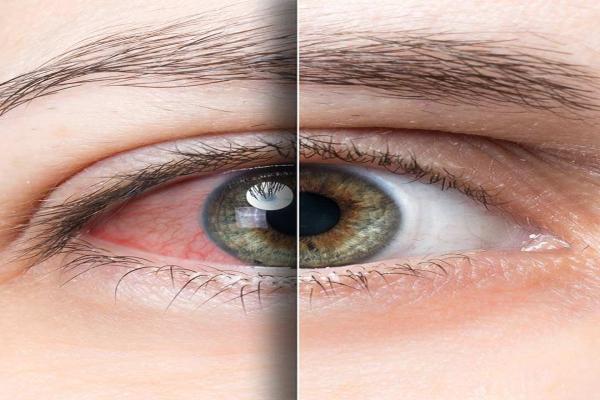
Eye Injections (Anti-VEGF)
These injections help reduce swelling (edema) and stop abnormal vessels from growing.
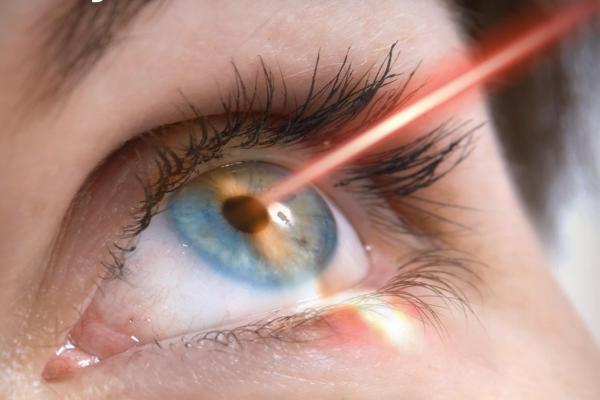
Laser Treatment (Photocoagulation)
This seals leaking vessels. It is effective for PDR eye conditions.
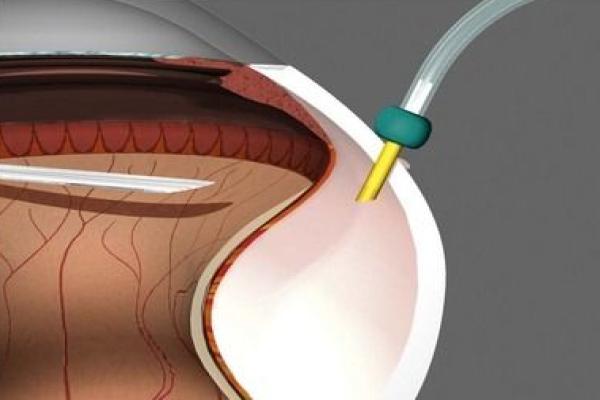
Vitrectomy Surgery
If there is a lot of bleeding (haemorrhage) or retinal detachment, Dr. Archana Singh performs advanced surgery to restore vision.
Why Choose Clairevision Eye Hospital, Wakad?
Finding the Best Doctors For Diabetic Retinopathy Treatment In Pune can be stressful. Here is why patients trust us:
Expertise:
Dr. Archana Singh is a highly experienced Eye Surgeon in PCMC and Retina Surgeon in Wakad. She specializes in handling complex diabetic ocular disease.
Advanced Tech:
We use the latest diagnostic machines for accurate classification of diabetic retinopathy ETDRS.
Holistic Care:
We don't just treat the eye; we guide you on managing diabetes to prevent further damage.
Convenience:
Located in Wakad and Punawale, we are the accessible Eye Clinic in Wakad for residents of Hinjewadi, Baner, and PCMC.
Conclusion:
The 4 Stages of Diabetic Retinopathy progress from mild damage to severe vision loss. The scary part is that you might feel fine during the early stages (Mild and Moderate NPDR). This is why routine checkups are vital.
Don’t ignore symptoms like blurry eyes and diabetes or yellow in eyes symptoms. Whether you have Mild NPDR or advanced PDR in eye, timely treatment can save your sight.
Book Your Diabetic Eye Exam Today! Visit Clairevision Eye Hospital, the Best Eye Hospital in Wakad & Punawale. Call: +91-91561 70951 / +91-86695 01575
