
- 10/11/2025
- Clairevision Eye Hospital
- 0 Comments
- Blogs
What Is Retinopathy of Prematurity (ROP) – A Complete Guide for Newborn Parents in India
For parents of premature babies, protecting their little one’s eyesight is just as important as ensuring overall health. Retinopathy of Prematurity (ROP) is a serious but preventable eye condition that affects premature infants — especially those born before 34 weeks or weighing less than 2 kg. It occurs when the tiny blood vessels in the retina (the light-sensitive part of the eye) grow abnormally, which can lead to vision loss if not treated on time.
At Clairevision Eye Hospital, Pune, under the expert guidance of Dr. Archana Singh, a leading vitreoretinal specialist in Pune, newborns receive precise ROP screening and advanced treatment. This guide helps parents understand what ROP is, why it occurs, and how early diagnosis and timely care can save their baby’s vision for life.
What Is Retinopathy of Prematurity (ROP)?
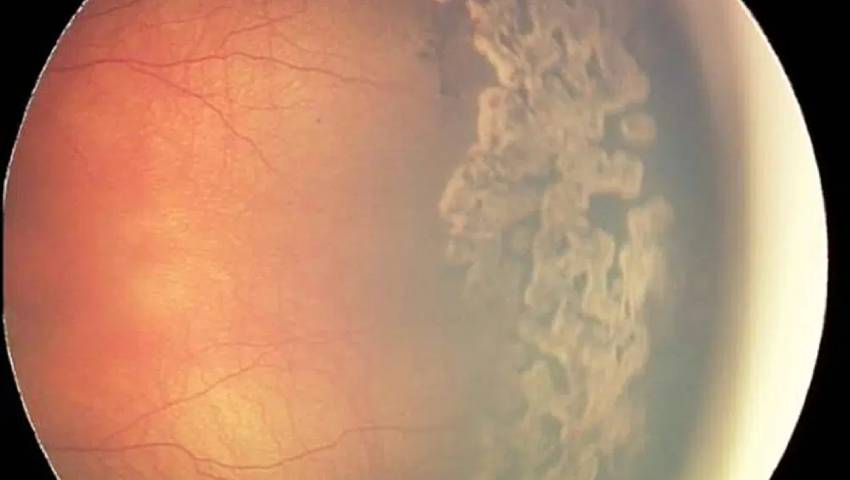
Retinopathy of Prematurity is a vasoproliferative eye disease that develops when blood vessels in the retina grow abnormally. The retina is the tissue at the back of your eye that captures light and sends signals to your brain so you can see.
In a normal pregnancy, the blood vessels in a baby’s retina develop from the time of birth (around 16 weeks of pregnancy) until the baby is born at 40 weeks. These vessels grow slowly from the center of the eye towards the outer edges. But when a baby is born too early, this natural development stops suddenly.
Why Does This Happen?
When your premature baby is born:
- The retina is not fully developed, and parts of it don’t have blood vessels yet
- Oxygen levels change suddenly from the womb to the outside world
- Extra oxygen from breathing support can affect how new blood vessels form
- The body releases special chemicals that trigger abnormal vessel growth
This abnormal growth of blood vessels is what we call ROP. In many cases, these vessels grow back to normal on their own. But sometimes, the vessels continue to grow in the wrong way and can cause scarring, pulling of the retina, and even blindness if left untreated.
What Causes Retinopathy of Prematurity?
ROP is caused by abnormal blood vessel growth in the retina. Common causes and risk factors include:
- Premature birth (before 34 weeks)
- Low birth weight (under 2 kg)
- Excess oxygen therapy in NICU
- Fluctuations in blood oxygen levels
- Sepsis or infections after birth
- Blood transfusions
- Breathing difficulties (respiratory distress)
Even though oxygen is necessary for survival, too much or too little can damage the fragile retinal vessels of premature babies. That’s why NICU monitoring and timely ROP screening are critical for every preterm baby.
Who is at Risk in India?
India has one of the highest numbers of premature births in the world — nearly 3.5 million babies are born preterm each year. Among these, thousands are at risk of developing ROP.
High-risk groups include:
- Babies born before 34 weeks of gestation
- Babies weighing under 2000 grams
- Newborns who required oxygen therapy or ventilator support
- Infants treated in NICUs (Neonatal Intensive Care Units)
Parents should insist on ROP eye screening before discharge and follow-up visits after birth, especially in urban centers like Pune, Mumbai, and Delhi.
What Are the Stages of ROP?
Doctors classify ROP into 5 stages based on how serious it is. These stages help doctors decide if your baby needs treatment.
- Stage 1: Mild abnormal vessel growth. Often resolves on its own.
- Stage 2: Moderate vessel growth. Close monitoring required.
- Stage 3: Severe vessel growth that may require laser or injection treatment.
- Stage 4: Partial retinal detachment. Surgery may be needed.
- Stage 5: Complete retinal detachment leading to potential blindness.
At Clairevision Eye Hospital in Pune, advanced imaging systems like RetCam are used for accurate diagnosis and to determine the exact stage of ROP.
What Can Parents Do?
As a parent, you play a big role in protecting your baby’s eyesight. With a few simple steps and timely care, Retinopathy of Prematurity (ROP) can be detected early and treated safely.
Before Your Baby Is Born
- Take regular prenatal check-ups to avoid early delivery.
- Follow your doctor’s advice for a healthy pregnancy.
- Maintain good hygiene to reduce infections and complications.
In the NICU (Newborn Care Unit):
- Ask your doctor if your baby is at risk of ROP.
- Ensure oxygen levels are monitored carefully.
- Support your baby’s weight gain and nutrition.
- Confirm your baby’s first ROP screening is done within 30 days of birth.
At Home After Discharge:
- Note down the next screening and follow-up dates.
- Never skip eye check-ups, even if your baby seems fine.
- Inform your eye doctor if you notice any changes in your baby’s eyes or vision.
Encourage Healthy Vision:
- Keep your home well-lit and safe for your baby’s eyes.
- Give your baby tummy time to strengthen neck and eye muscles.
- Use high-contrast toys or black-and-white cards to help eye focus.
- Spend time making eye contact and talking with your baby daily.
How ROP Is Diagnosed at Clairevision Eye Care?
At Clairevision Eye Hospital in Wakad and Punawale, Pune, ROP screening is done by Dr. Archana Singh and her team of expert pediatric retinal specialists using advanced neonatal eye technology.
When to Screen?
- Within 30 days of birth for most premature babies
- Within 2–3 weeks for very early births (before 28 weeks)
How It’s Done?
A gentle eye exam using indirect ophthalmoscopy takes about 15–20 minutes. It’s quick, safe, and painless for your baby.
Advanced Tools Used:
- RetCam: High-quality retinal imaging for accurate diagnosis
- OCT: Detects early retinal changes
- A-Scan: Monitors eye growth if surgery is needed
At Clairevision Eye Hospital in Pune, every screening follows international ROP standards (ICROP3), ensuring early detection and the best care for your baby’s vision.
How Is Retinopathy of Prematurity Treated?
Treatment depends on the stage and severity of ROP.
- Laser Therapy (Photocoagulation): The most common and effective method. The laser seals abnormal blood vessels to prevent further damage.
- Anti-VEGF Injections: Medications like Avastin or Lucentis are injected into the eye to stop abnormal vessel growth. These are safe and widely used in advanced stages.
- Surgery (Vitrectomy or Scleral Buckling): If the retina is detached (Stage 4 or 5), surgery may be required to restore vision.
With timely intervention, over 90% of ROP cases can be treated successfully.
What Is the Prevalence of ROP in India?
According to the Indian Academy of Pediatrics, nearly 20–30% of premature infants are at risk of developing ROP, and around 10% may need treatment. However, with growing awareness and screening programs, many cases are now detected early.
In Maharashtra, several NICUs partner with hospitals like Clairevision Eye Hospital in Wakad to ensure every premature baby receives timely ROP eye checks.
Importance of Timely ROP Screening for Newborns:
Every premature baby should undergo the first ROP screening within 4 weeks of birth (or by 30 days of life). Early screening ensures that treatment can be started before any permanent damage occurs.
At Clairevision Eye Hospital, Pune, ROP screening is conducted by Dr. Archana Singh, who specializes in neonatal retinal disorders. The hospital also works with NICUs in Wakad, Punawale, and PCMC for ROP awareness and eye health programs.
Prevention and Parental Awareness:
While ROP cannot always be prevented, its effects can be minimized through:
- Controlled oxygen therapy in NICU
- Strict follow-up for all preterm babies
- Early referral to an ROP specialist
- Regular eye health check-ups
Parents should also be aware that ROP may recur and require follow-up even after treatment.
Why Choose Clairevision Eye Hospital for ROP Treatment?
Clairevision Eye Hospital, one of the best eye hospitals in Pune, is known for providing comprehensive care for premature infants.
Why Parents Trust Clairevision:
- Expert care by Dr. Archana Singh, Retina & Pediatric Eye Specialist in Pune
- Advanced ROP screening with RetCam imaging
- Laser and anti-VEGF treatment facilities
- NICU collaborations for early screening
- Compassionate, child-friendly approach
- Affordable packages for ROP treatment in Pune
Whether it’s a routine screening or advanced ROP treatment, your baby is in safe hands at Clairevision Eye Hospital.
Cost of ROP Screening & Treatment in India:
The cost of ROP screening in Pune, India typically ranges from ₹800 to ₹2,000 per session, depending on the facility and equipment used.
For treatment:
- Laser treatment: ₹10,000–₹25,000 per eye
- Anti-VEGF injection: ₹8,000–₹15,000 per eye
- Surgery (if needed): ₹30,000–₹60,000 per eye
At Clairevision Eye Hospital, parents get transparent pricing and complete care packages, ensuring quality treatment at affordable rates.
The Role of Dr. Archana Singh at Clairevision Eye Hospital:
Dr. Archana Singh, Founder and Chief Ophthalmologist at Clairevision Eye Hospital, Pune, is one of the most trusted and experienced retina and eye specialist in PCMC, Pune in the region. With over 20 years of clinical expertise, she has successfully treated numerous Retinopathy of Prematurity (ROP) cases and works closely with neonatologists to protect the vision of premature babies.
Her patient-first approach combines advanced technology, gentle care, and clear communication—helping parents understand their baby’s eye condition and treatment options confidently.
Beyond ROP, Dr. Archana Singh also specializes in LASIK Eye Surgery, Cataract Surgery, Glaucoma Management, Oculoplastic Surgery, and Pediatric Eye Care, serving patients across Wakad, PCMC, and Pune with compassion and excellence.
Conclusion: Your Baby's Vision Is Our Priority
Retinopathy of Prematurity (ROP) may sound worrying, but with early screening and the right care, it is completely preventable. Timely diagnosis and treatment can prevent lifelong vision loss in your baby. At Clairevision Eye Hospital, Wakad and Punawale, Pune, our vitreoretinal surgeon, Dr. Archana Singh, ensures every premature baby receives gentle, advanced, and timely eye screening using the latest ROP technology.
We believe every child deserves a bright, healthy future with a clear vision.
Don’t delay—book your baby’s ROP screening today! Call us at +91-9156170951 / +91-8999468767. Visit our clinic, Clairevision Eye Hospital. Trusted for ROP treatment in India, eye care in Wakad, Pune, and expert retina services by top eye specialists in PCMC.
FAQs: ROP Treatment in Pune, India
No. ROP cannot be seen just by looking at the baby’s eyes. Only an eye doctor using special equipment can see ROP inside the eye.
Not necessarily. With proper screening and timely treatment, most babies maintain useful vision. Blindness from ROP is preventable.
It depends on what the doctor finds. Usually, babies are screened every 1-2 weeks until the retina is fully developed or ROP is gone.
The screening causes mild discomfort but not pain. The doctor gently opens the baby’s eyelids and looks inside with a special lens.
Don’t panic. The doctor will explain the stage and whether treatment is needed. Not all ROP needs treatment – many cases resolve on their own.
Modern treatment is very successful, especially when started early. Stage 3 ROP with treatment has 85-90% favorable outcomes.
