
- 02/09/2026
- Clairevision Eye Hospital
- 0 Comments
- Blogs
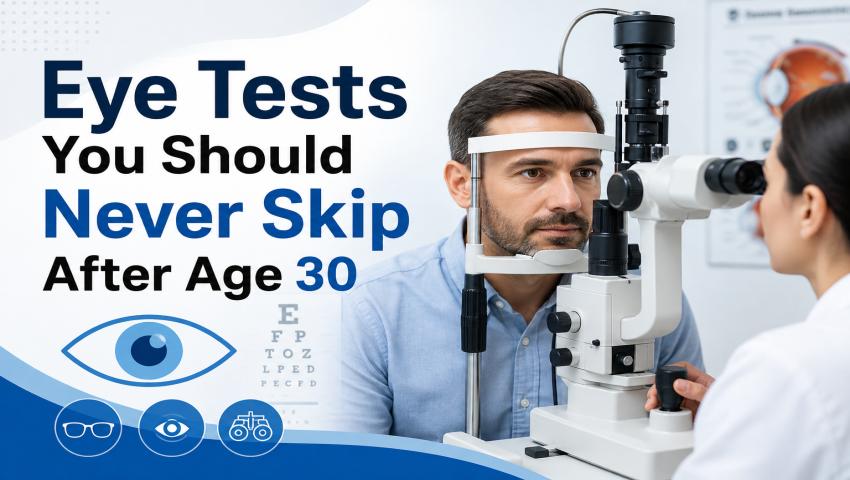
Eye Tests You Should Never Skip After Age 30
“My eyesight is fine; I can read everything clearly” — this is the one line Dr. Archana Singh at Clairevision Eye Hospital, widely regarded as one of the best eye hospitals in Wakad, hears the most from patients in their 30s, right before a routine eye checkup picks up something they had no idea was there. In her time treating patients across every age group, she’s seen the same pattern repeat: people wait for pain or blurriness before booking an eye checkup, when most eye conditions after 30 don’t come with any warning signs at all.
That’s the real risk with your eyes after 30 — they rarely tell you something is wrong until real damage is already done. A proper eye test after 30 goes beyond just checking if you can read a signboard; it looks at pressure, retina health, and early signs of conditions you may not even know you have. Even a basic eye checkup at this age can reveal changes that a person would otherwise only notice years later, once the damage has already progressed.
Why This Age Matters for Your Eyes?
Eye health after 30 works differently than most people expect. Nothing dramatic happens overnight — the changes are gradual, which is exactly why they go unnoticed for so long, and it’s exactly why an eye test after 30 matters more than people realise.
- Screens dominate the average day — 8 to 10 hours between laptop and phone is now normal, and this kind of screen time and eye health connection is something most people never think about until strain sets in.
- Diabetes and BP often show their first signs in the eyes, before a formal diagnosis happens anywhere else — one more reason an eye test after 30 shouldn’t be optional.
- Near-vision changes (presbyopia) usually begin creeping in from the mid-30s.
- Family history of glaucoma or macular degeneration starts becoming relevant from this decade onward.
Best Age to Start Regular Eye Exams:
There’s no single fixed answer, but most optometrists agree that 30 is a realistic starting point for structured, regular eye exams — not just whenever something feels off.
- Before 30: Most people rely on one-off checkups, usually only for a new prescription
- From 30 onward: Conditions like glaucoma develop silently, so structured screening becomes more important
- Why it matters: Catching issues early is far easier than treating vision loss after it’s already progressed
If you’re unsure where to start, booking a consultation with a qualified Eye Specialist in Pune is usually the simplest way to get a baseline reading of your eye health before anything becomes serious.
Comprehensive Dilated Eye Exam:
Eye drops widen your pupils so the doctor can see deep into the eye — the retina, optic nerve, and blood vessels — areas that are impossible to examine otherwise. This is the base of any proper comprehensive eye exam and forms part of your annual eye exam once you’re past 30.
What it typically catches:
- Early-stage glaucoma
- Diabetic retinopathy
- Retinal tears, often before you’d notice any symptoms yourself
If a retinal tear or advanced glaucoma is detected, your doctor may refer you to an experienced Eye Surgeon in Pune for further treatment.
Visual Acuity Test:
The standard “read the chart” test most people already associate with an eye checkup. It’s usually the first step in any basic eye exam and checks how clearly you see at different distances.
While it feels routine, it’s still the first checkpoint for nearsightedness, farsightedness, or astigmatism. Skipping it means missing refractive changes that build up quietly over a few years, especially if your prescription hasn’t been reviewed recently.
Glaucoma Screening (Tonometry):
Glaucoma has no early symptoms, which is why this glaucoma test — also known as an eye pressure test — matters more than people realise. It measures pressure inside the eye and takes just a few seconds.
Retinal Exam / Fundus Photography:
A close-up image of the back of your eye that flags early changes from diabetes, high BP, or cholesterol. This should be an annual fixture if:
- Diabetes runs in your family
- You already have high BP or high cholesterol
- You’ve never had a macular degeneration screening before
It’s one of the most reliable tools for spotting subtle retinal changes before they start affecting your central vision — which is exactly why it’s often paired with a diabetic eye exam.
Refraction Test:
Confirms your exact prescription for glasses or contacts. If you’ve been squinting at your phone or holding your book further away lately, this refraction eye test will tell you why. It’s a simple, non-invasive part of any optometrist eye checkup and usually takes just a few minutes — often combined with the visual acuity test during the same visit.
If your prescription has changed significantly or your eyes feel uncomfortable in your current lenses, a visit to a proper contact lens clinic can help you get properly fitted instead of guessing with an online reorder. In more complex cases involving corneal irregularities, your doctor may also refer you to an experienced Eye Surgeon in Pune for further eye checkup and evaluation.
Color Vision & Peripheral Vision Tests:
- Color blindness test (color vision test) — flags color blindness or retinal/neurological changes that most people never suspect until they’re tested.
- Peripheral vision test — checks side vision, usually the first area glaucoma affects, well before central vision is impacted.
Neither test takes long, but both are often skipped during a quick eye test for adults simply because people don’t ask for them specifically.

Digital Eye Strain / Dry Eye Evaluation:
Burning eyes, evening headaches, blurred vision after screen time — this digital eye strain test and dry eye test check tear quality and screen fatigue, with fixes that go beyond just eye drops. If you work long hours on a laptop, this is essentially an eye exam for computer vision syndrome, and it often turns up problems people had chalked up to “just being tired.”
How Often You Should Get These Tests?
A common question patients ask is: how often should you get an eye exam once you’re past 30? The honest answer depends on your risk category, not a single fixed number.
This kind of eye exam frequency guide is meant to be a starting point — your doctor may adjust it based on your specific health history during your first visit.
Signs You Shouldn't Ignore Between Exams:
These are signs you need an eye test right away, not at your next scheduled visit:
- Sudden blurred or double vision — one of the most common causes of blurred vision worth getting checked immediately
- Headaches that worsen after screen use
- Halos around lights or eye pain
- Sudden floaters or flashes of light — eye floaters symptoms can sometimes point to a retinal tear if they appear suddenly
- Trouble seeing at night
- Persistent redness or dryness
Any of these means book an eye checkup now — not “let’s wait and see.” Getting checked promptly by an experienced Eye Specialist in Pune can often mean the difference between a minor fix and a long-term complication.
Conclusion:
Your eyes work harder than almost any other organ, often without a single day of rest — and yet they’re one of the most neglected parts of a regular health checkup. Making a yearly eye exam a habit from your 30s onward isn’t about waiting for a problem to show up; it’s about catching one before it does. Treat your eye checkup the same way you’d treat a blood test or a BP check — routine, not optional.
If you’re looking for the Best Eye Hospital in Wakad, Clairevision Eye Hospital offers a full range of diagnostic tests under one roof, backed by Dr. Archana Singh’s years of clinical experience. Don’t wait for symptoms to force the decision — book your eye checkup today.
Frequently Asked Questions:
Yes, it’s common. This is usually when early presbyopia starts, along with small shifts in existing eye power. It’s a good reason to start a regular eye checkup instead of waiting for symptoms.
Yes, especially with heavy screen use or conditions like diabetes. This is why an eye test after 30 should always include a refraction check, even if your last prescription felt fine.
Fairly common. Many people notice mild blur or strain for the first time in their 30s. An eye checkup can confirm whether it’s a simple refractive change or something that needs closer monitoring.
Minus 2.5 myopia can’t be reversed naturally, but you can easily correct it with glasses, contacts, or LASIK/ICL surgery. A proper eye test confirms your exact power and best correction option.
A complete eye test after 30 usually includes visual acuity, refraction, tonometry (glaucoma screening), and a dilated retinal exam — especially with a family history of diabetes or glaucoma.
Yes, even without glasses. This is why doctors recommend a baseline eye checkup in your 30s — to catch changes early, before screen use or reading becomes uncomfortable.